
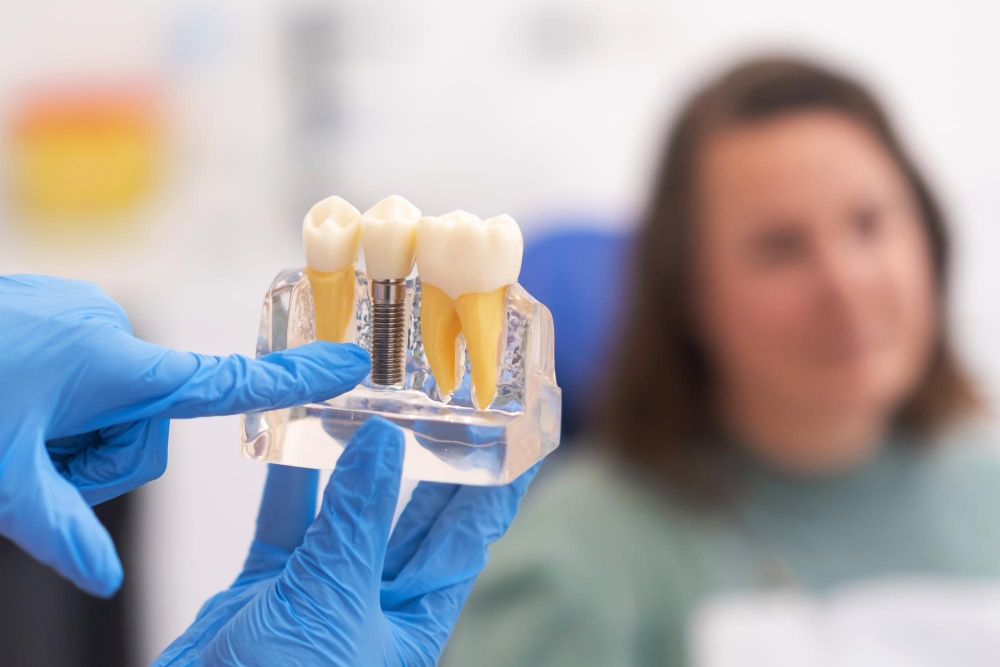
What Are Dental Implants?
Dental implants are small metal posts that replace missing teeth. Dentists place them in your jawbone. Over time, the bone grows around the implant. This creates a strong base for a new tooth. Many people choose dental implants as a tooth replacement option. They look and feel like natural teeth. In fact, dental implants can last for many years with good care. Because of these benefits, dental implants are a popular choice for those seeking a lasting solution. If you are searching for dental implants in your area, talk to a local dentist about your options.
Benefits of Dental Implants
Dental implants offer many advantages over other tooth replacement options. For example, they are stable and do not slip. In addition, they help keep your jawbone healthy. Here are some key benefits:
Because of these benefits, many people prefer dental implants over bridges or dentures. According to the American Academy of Implant Dentistry, over 3 million people in the U.S. have dental implants, and the number grows each year.
The Dental Implant Procedure: Step-by-Step
The dental implant procedure usually takes several steps. However, each step is important for success. Here is what you can expect:
Each step is done with care to ensure the implant is secure. The entire dental implant procedure may take several months from start to finish. But, the results are often worth the wait.
Risks and Potential Complications
Although dental implants are safe for most people, there are some risks. For example, problems can happen during or after the procedure. It is important to know these risks before you decide. Common risks include:
However, most people do not have serious problems. According to the CDC, dental implants have a high success rate, often above 95%. Still, you should discuss all dental implant risks with your dentist before starting treatment.
Aftercare and Recovery Tips
Proper aftercare helps your dental implant heal well. Because healing is important, follow your dentist’s advice closely. Here are some helpful aftercare tips:
With good care, your dental implant can last for many years. If you notice pain, swelling, or other problems, contact your dentist right away.
Frequently Asked Questions About Dental Implants
Are dental implants painful?
Most people feel only mild discomfort after the procedure. Your dentist will use anesthesia to keep you comfortable.
How long do dental implants last?
With proper care, dental implants can last 10 years or more. Some last a lifetime.
Can anyone get dental implants?
Most adults with healthy gums and enough bone can get dental implants. However, your dentist will check if you are a good candidate.
How do I care for my dental implant?
Brush and floss daily. Also, visit your dentist for regular cleanings and check-ups.
Are dental implants covered by insurance?
Some dental insurance plans may cover part of the cost. Check with your provider for details.
Conclusion
Dental implants can restore your smile and improve your quality of life. However, it is important to understand the benefits, procedure, risks, and aftercare. Consult a qualified dentist at Ayushi Smile Care to find out if dental implants are right for you.