What Is Dry Mouth?
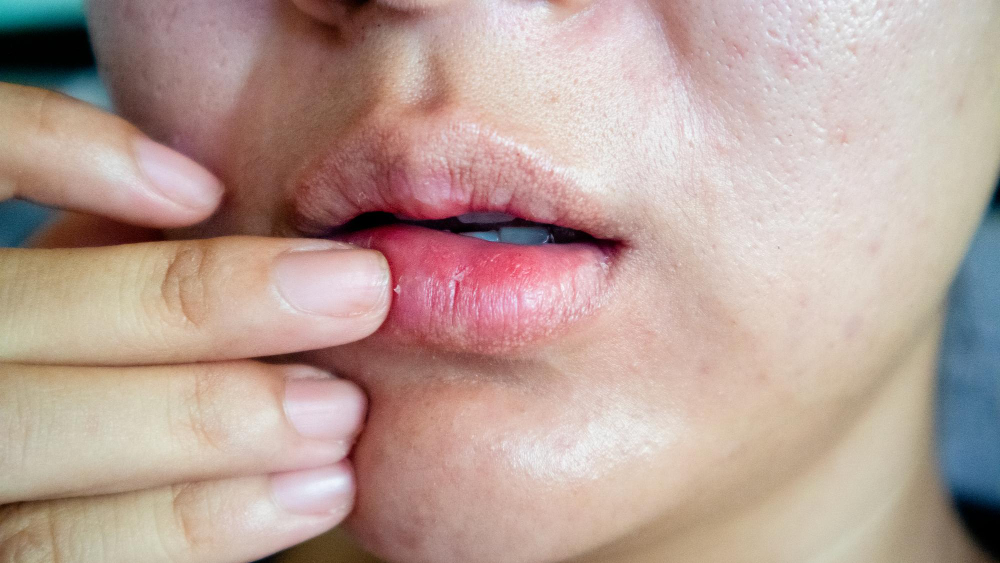
Dry mouth, also called xerostomia, happens when your mouth does not make enough saliva. Saliva is the fluid that keeps your mouth moist. It helps you chew, swallow, and speak. Without enough saliva, your mouth can feel dry and uncomfortable. For many people, dry mouth is more than just a nuisance. It can affect your oral health and daily life.
Common Symptoms of Dry Mouth
Dry mouth can show up in several ways. Sometimes, the signs are mild. Other times, they can be more severe. For example, you may notice:
However, not everyone will have all these symptoms. If you notice several of them, it may be time to seek help.
Main Causes and Risk Factors
Many things can cause dry mouth. Often, it is a side effect of certain medicines. For instance, drugs for high blood pressure, allergies, or depression can reduce saliva. In addition, other causes include:
Older adults are more likely to have dry mouth. This is often due to taking more medications or having health problems.
How Is Dry Mouth Diagnosed?
To diagnose dry mouth, your dentist or doctor will ask about your symptoms. They may also review your medical history and any medicines you take. Sometimes, they will check your mouth for signs of dryness or infection. In some cases, tests may measure how much saliva you produce. These steps help find the cause and guide treatment.
Effective Treatment Options for Dry Mouth
Treating dry mouth depends on the cause. If a medicine is to blame, your doctor may adjust your dose or switch drugs. However, you should never stop taking medicine without talking to your doctor first. Other treatments include:
In some cases, treating an underlying health problem can also help relieve dry mouth.
Lifestyle Tips for Managing Dry Mouth
There are simple steps you can take at home to ease dry mouth. For example:
With these tips, you may find some relief and protect your oral health.
Prevention Strategies
While not all cases of dry mouth can be prevented, you can lower your risk. For instance, drink plenty of water each day. Also, limit caffeine and alcohol. If you take medicines that cause dry mouth, talk to your doctor about possible changes. Good oral hygiene is important, too. Visit your dentist regularly for checkups and advice.
When to See a Dental Professional
Sometimes, dry mouth can lead to tooth decay or mouth infections. If your symptoms last more than a few days, or if you have trouble eating or speaking, it is best to seek help. A dental professional can find the cause and suggest the right treatment for you.
Conclusion
In summary, dry mouth is a common problem with many causes. It can affect your comfort and oral health. However, with the right care and advice, you can manage your symptoms. If you experience persistent dry mouth, consult Dr.Mounika, a dental professional, for personalized advice. Schedule your consultation today!